
Images of tree cover, vines in the trees, undergrowth, and ground cover form part of our understanding of West End’s pre-European settlement.
The First Nation’s peoples planted and attended to those trees and plants and all the other life on the Kurilpa peninsula. There were, and still are, birds, insects, lizards, native rats, and snails native to this small area.
Hundreds of people among the 15,000 people living on the West End peninsula know how to conserve bits of its exquisite biodiversity.
The Westender will share stories of their work in the coming months.
Maintaining healthy ecosystems and biodiversity requires knowledge. Too few of us know all that lives with us on the West End peninsula.
Helen Schwencke (Earthling Enterprises) is fascinated with invertebrates, mainly insects. She said: “Invertebrates (animals that don’t have backbones) comprise 67% of all named animals”.
In this video, she shows how the well-camouflaged Plumbago Blue butterfly’s caterpillar feeds on the native Plumbago zeylanica flower.
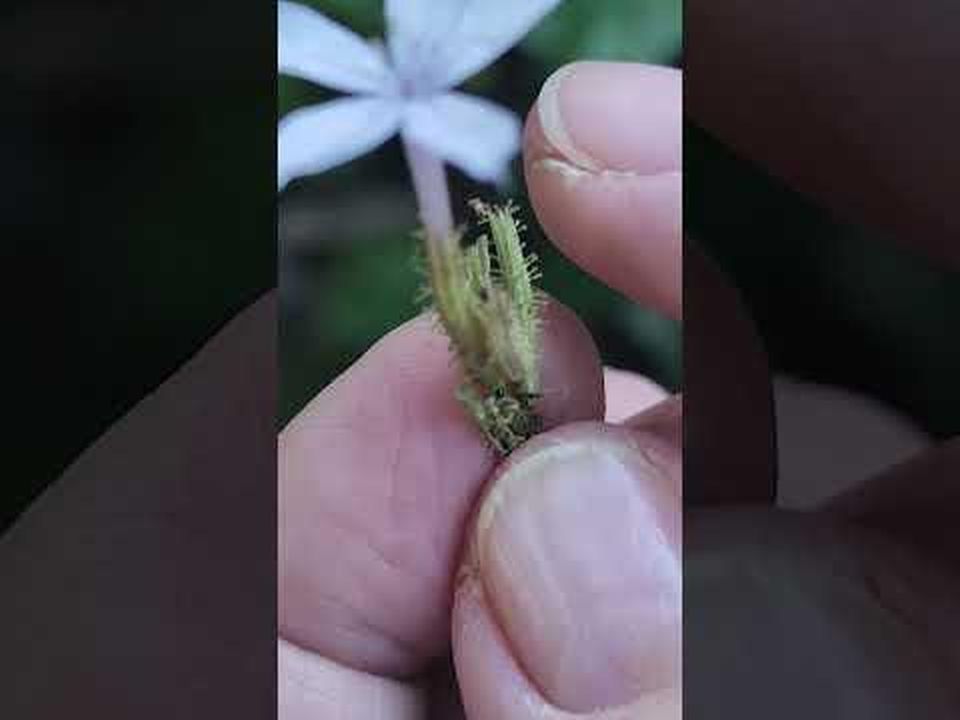
“This plant is its only native food source”, she said.
“There is a general impression, offered by children’s books like The Very Hungry Caterpillar, that insects can eat anything.
“This is far from true.
“A large number of plant-eating insects have restricted diets”, says Helen.
“And very few insects are what we call ‘pests’.
“Most small, native, plant-eating animal species only eat their special local native plants.
“These original local native plants are disappearing from West End.
“A highly diverse group of small animals, including birds and lizards, feeds on the invertebrates that eat these plants.
“Climate cooling actions include bringing back the original biodiversity,” said Helen.
“If we want to look after the biodiversity of furred, feathered, scaled, and skinned animals in West End, we need to maintain the diverse collection of small animals and the unique constellation of other species they co-evolved with. These include the plants, fungi, soil organisms, and more,” she said.
“Engaging and connecting with real nature (e.g., watching a caterpillar’s lifecycle is fascinating) results in improved mental health and well-being.
“When we work with nature and learn how ecological processes work, we support our backyard food security with less effort, work, and pesticides.
“To sum it up: the only good plant is chewed. It’s providing ecosystem services”, Helen said.
Her work supports Government strategies:
The aim of Australia’s Strategy for Nature 2019 – 2030 Australia’s Strategy for Nature 2019-2030 “is to protect and restore the country’s ecosystems, species, and genetic diversity, while preventing further extinctions. This involves maintaining healthy, functioning ecosystems and biodiversity to ensure ecosystem resilience and sustainable living.”
The vision of Queensland’s Biodiversity Conservation Strategy Queensland’s Biodiversity Conservation Strategy | Environment, land and water | Queensland Government is “Nature is actively supported to thrive in Queensland,” with key outcomes that nature is healthy and valued.
All this happens in the local area, in our case on the West End peninsula. At the local level, the Brisbane City Council’s Biodiverse Brisbane Initiative Biodiverse Brisbane Initiative ATE 2025 – Brisbane Sustainability Agency focuses on native plants and animals within the city.
Other West End people are also developing ways to regenerate our biologically complex environment.
We at the Westender will share their stories with you. Together, we can achieve those lofty national, state, and local aims.
Contact Helen Schwencke at Earthling Enterprises on info@earthling.com.au
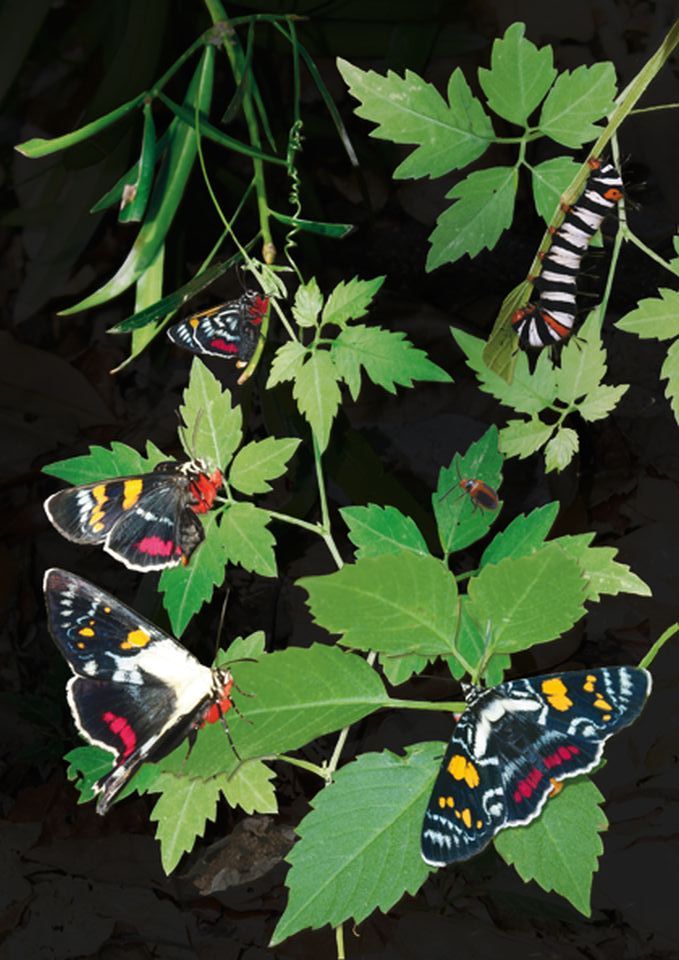
Main image: Shown here are the visible parts of the Joseph’s Coat Moth (Agarista agricola) lifecycle and one of its two local native host plants the Slender Grapevine (Causonis clematidea).
Copyright Helen Schwencke, 2024.
Kerry McGovern