
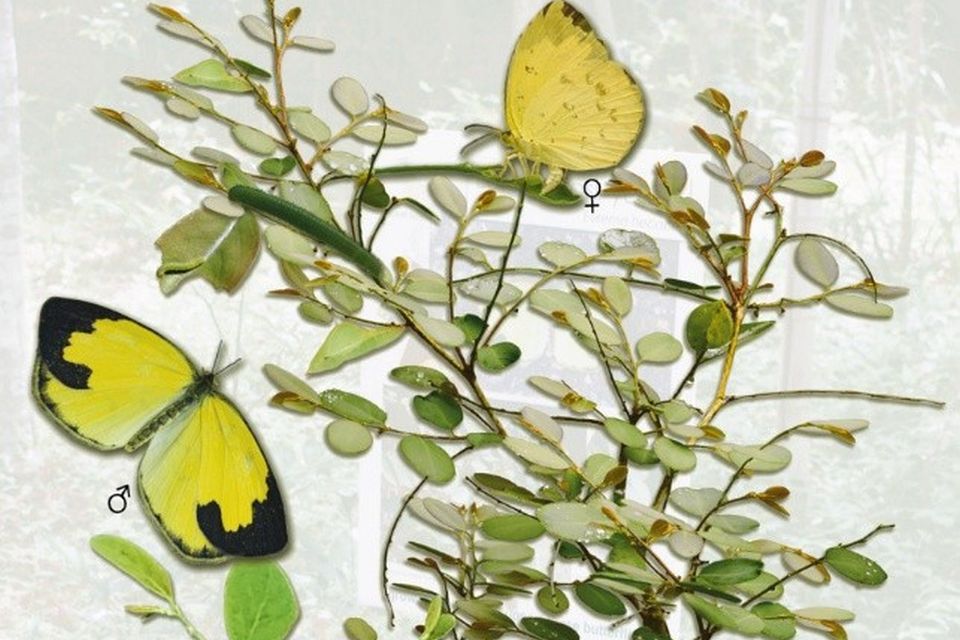
We in Kurilpa need insects because they support the growth of food in our gardens, our health, and the overall well-being of Kurilpa’s environment. Such tiny things work for us.
Starting with Kurilpa’s environment, birds feed insects to their nestlings, regardless of what they eat as adults. And, as adults, birds need insects (high protein) as food when they are moulting.
The more insects we support on the local native plant species we grow, the more biodiversity we can support. It’s that simple.
We take delight in a pretty butterfly and a tiny flashing firefly. (Yes, they live in 4101). Aside from the acceptable and showy few, insects are largely seen as annoying at best, demonised at worst. An incredibly tiny number of species can be a serious problem for humans and our mammalian allies. These get the headlines – that’s how the NEWS works.
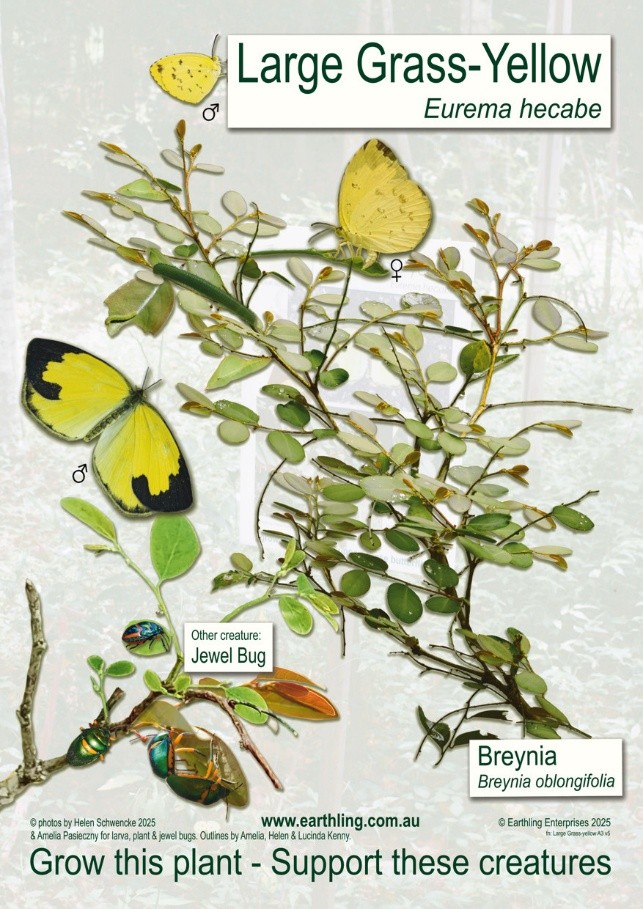 Nearly all our information about insects is based on the 0.34% of all Earth’s named animals that have “pest potential”. These are the few that interact with our agricultural output or are medically significant. We know about these species through intense research. Much of this research has been on how to kill them. We have found increasingly ingenious ways to wipe insects off the face of the Earth.
Insects and other creatures that don’t have backbones comprise over 95% of all named animals. And we don’t yet know how many there are. There are more of these species that have yet to be named than those that we know about.
We humans take this culture of killing insects into our everyday city lives: our homes, gardens, and parks. Any insects seen eating a leaf or stem are quickly regarded as pests, especially if, Lord forbid, there are two of them.
And they give us many services. Firstly, bees, butterflies, beetles and flies pollinate the veggies and flowers in our garden. They make our compost work by breaking down organic matter, cycling nutrients and improving the overall structure of the soil. As mentioned above, insects are a vital source of food for local birds, lizards, fish and your chickens and ducks.
Paradoxically, they also manage pests and weeds during their own life cycles. And insects provide crucial information to scientists, including medical researchers, that enables us to understand our own lives and problems.
I’ll be providing information about local Kurilpa insects, what we know about them, and how to live happily with them in a regular column with the Westender.
Helen Schwencke
Images © Helen Schwencke